
paced
Have you ever spent hours studying for an exam, only to forget half of what you learned a week later? Or maybe you’ve tried picking up a new skill, like playing the guitar or speaking a new language, but struggled to recall the chords or vocabulary when you needed them most? If this sounds familiar, you’re not alone. Our brains are wired to forget things over time unless we take deliberate steps to reinforce what we’ve learned. That’s where spaced repetition comes in—a learning technique that’s like a secret weapon for locking information into your long-term memory.
At Collagetop, we’re all about helping you learn smarter, not harder. Whether you’re a student, a professional, or just someone curious about the world, spaced repetition can transform the way you retain knowledge. In this post, we’ll dive deep into what spaced repetition is, why it works, and how you can use it to make learning stick. With a bit of science, a sprinkle of personal stories, and some practical tips, we’ll show you why this method is a game-changer for anyone looking to master new skills or information.
What Is Spaced Repetition, Anyway?
Spaced repetition is a learning technique that involves reviewing information at specific intervals over time to maximize retention. Instead of cramming all your studying into one marathon session (we’ve all been there!), Spaced repetition spreads out your review sessions in a way that aligns with how your brain naturally processes and stores information.
Think of your brain like a garden. When you plant a seed (learn something new), it needs regular watering (review) to grow strong and take root. If you flood the garden with water all at once, most of it washes away, and the seed struggles to grow. But if you water it a little bit at just the right times, the plant thrives. Spaced repetition is like that perfectly timed watering schedule for your brain.
The concept was first developed in the 1880s by German psychologist Hermann Ebbinghaus, who studied how quickly we forget information. He discovered the forgetting curve, which shows that we lose most of what we learn within days unless we actively review it. Spaced repetition counters this by scheduling reviews at increasing intervals—right when you’re about to forget something, you revisit it, strengthening the memory each time.
Why Spaced Repetition Works: The Science Behind It
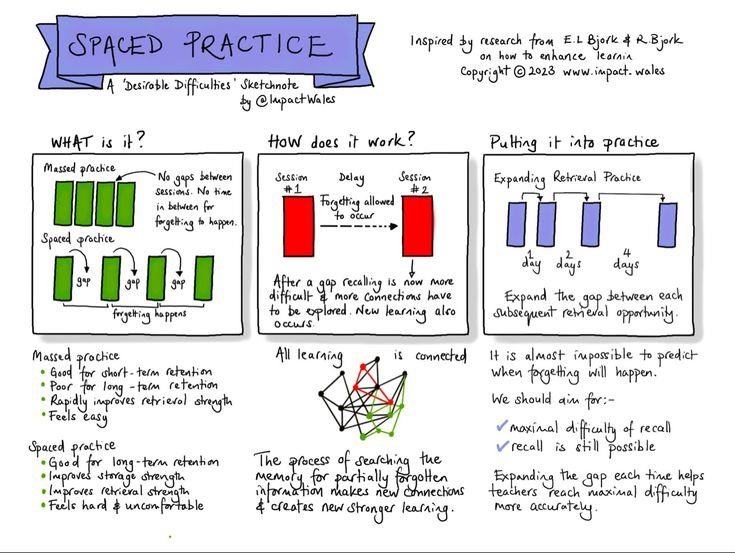
Let’s get a little nerdy for a moment (don’t worry, I’ll keep it fun). The magic of spaced repetition lies in how it leverages the way our brains work. When you learn something new, your brain forms a neural connection. The more you revisit that information, the stronger that connection becomes, until it’s practically carved into your long-term memory.
Here’s the key: timing matters. If you review something too soon, you’re not challenging your brain enough to make the memory stick. If you wait too long, you might forget it entirely and have to start over. Spaced repetition uses algorithms or schedules to pinpoint the optimal time for review—usually just as the memory starts to fade. This process strengthens the neural pathways and makes it easier to recall the information later.
Research backs this up. Studies, like those published in journals such as Psychological Science, have shown that spaced repetition significantly improves retention compared to traditional study methods. For example, a 2008 study by Roediger and Karpicke found that students who used spaced repetition outperformed those who crammed, even months after the initial learning session. It’s not just about memorizing facts; it’s about making those facts part of who you are.
I remember when I first stumbled across spaced repetition in college. I was drowning in flashcards for my biology class, trying to memorize hundreds of terms. Cramming the night before the exam left me exhausted and frustrated, and I’d forget everything by the next semester. Then a friend introduced me to a flashcard app that used spaced repetition. Suddenly, I was reviewing terms at just the right moments, and the information stuck like glue. It felt like I’d hacked my brain—and I kind of had!
How to Use Spaced Repetition in Your Life
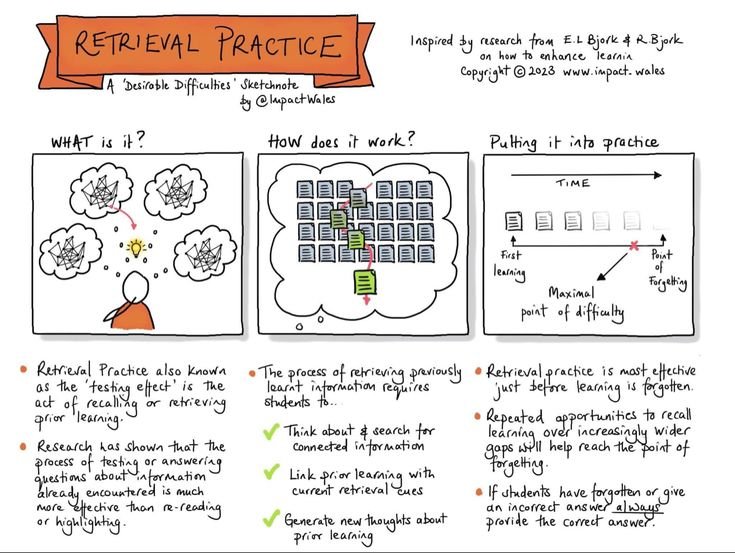
Ready to give spaced repetition a try? The good news is that it’s incredibly versatile and can be applied to almost anything you want to learn, from vocabulary for a new language to historical dates, coding concepts, or even the steps to a perfect yoga pose. Here’s how to get started, with practical tips to make it part of your routine.
1. Choose Your Tools
Spaced repetition is most effective when you use a system to track what you’re learning and when to review it. You can go old-school with physical flashcards or use digital tools designed for spaced repetition. Some popular options include:
- Anki: A free, open-source flashcard app with customizable algorithms. It’s a favorite among students and language learners.
- Quizlet: A user-friendly platform with spaced repetition features, perfect for beginners.
- SuperMemo: One of the earliest spaced repetition tools, known for its advanced algorithms.
- Physical Flashcards: If you prefer analog, you can create your flashcards and follow a manual schedule, like the Leitner system (more on that later).
I’m a bit of a tech nerd, so I love using Anki for everything from learning Spanish to memorizing photography tips for my collage projects. But there’s something satisfying about flipping through physical cards, too—it feels like a little victory every time you nail a review.
2. Break Down Your Material
Spaced repetition works best when you break information into small, manageable chunks. Instead of trying to memorize an entire chapter, focus on key concepts, definitions, or questions. For example:
- Language Learning: Create flashcards for individual words or phrases, like “Hola = Hello” or “¿Dónde está? = Where is it?”
- Studying for Exams: Turn complex topics into bite-sized questions, like “What are the three branches of government?” or “What is photosynthesis?”
- Skill Development: Break down a skill into steps, like “How to hold a guitar pick” or “What is the first step in a sun salutation?”
When I was learning to code for my website, I used spaced repetition to memorize HTML tags and CSS properties. Instead of overwhelming myself with entire codebases, I focused on one tag or property at a time. It made the process feel less daunting and way more doable.
3. Follow a Review Schedule
The heart of spaced repetition is the review schedule. Digital tools like Anki automatically calculate when you should review each piece of information based on how well you know it. If you’re using physical flashcards, you can use the Leitner system:
- Create a set of flashcards and place them in Box 1.
- Review the cards daily. If you get a card right, move it to Box 2. If you get it wrong, keep it in Box 1.
- Review Box 2 every few days, Box 3 every week, and so on. Cards you know well move to higher boxes with longer intervals, while cards you struggle with stay in lower boxes for more frequent review.
This system is simple but effective. I used it when I was studying for a certification exam, and it was like having a personal coach keeping me on track.
4. Stay Consistent
Consistency is key with spaced repetition. Even 10–15 minutes a day can make a huge difference over time. Set aside a specific time for your reviews, like during your morning coffee or before bed. The more you stick with it, the less effort it takes to recall the information.
I’ll be honest—there were days when I didn’t feel like reviewing my flashcards. Life gets busy, and it’s tempting to skip a session. But I found that even a quick five-minute review kept the momentum going. Over time, those small efforts added up, and I was amazed at how much I could recall without even trying.
5. Make It Fun and Personal
Spaced repetition doesn’t have to feel like a chore. Add a personal touch to your flashcards to make them more memorable. Use images, mnemonics, or funny examples to connect the information to something meaningful. For example, when I was learning French, I made flashcards with silly sentences like “Le chat dances with a baguette” to remember vocabulary. It made me laugh, and the words stuck in my head.
You can also tie your learning to your goals. At Collagetop, we’re all about creativity and self-expression, so I love using spaced repetition to learn new techniques for photography, design, or even writing blog posts like this one. It’s rewarding to see how small, consistent efforts lead to big improvements.
Real-Life Benefits of Spaced Repetition
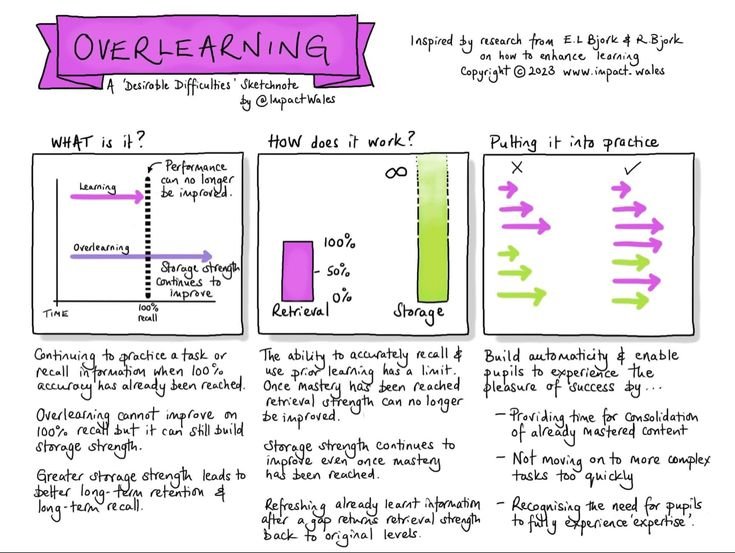
So, why should you care about spaced repetition? Because it’s not just about memorizing facts—it’s about building a foundation for lifelong learning. Here are some of the ways it can transform your life:
- Save Time: By focusing on what you’re about to forget, spaced repetition makes your study sessions more efficient. You spend less time relearning and more time mastering new material.
- Boost Confidence: There’s nothing like the feeling of effortlessly recalling something you studied weeks ago. It’s a confidence boost that carries over into other areas of your life.
- Learn Anything: From languages to professional skills to hobbies, spaced repetition is a universal tool. It’s like a Swiss Army knife for your brain.
- Reduce Stress: Cramming is stressful and ineffective. Spaced repetition spreads out the workload, making learning feel manageable and even enjoyable.
I’ve seen these benefits firsthand. When I started using spaced repetition for my photography projects, I went from forgetting camera settings to confidently shooting in manual mode. It wasn’t just about the technical stuff—it gave me the freedom to focus on the creative side of photography, which is what Collagetop is all about.
Common Mistakes to Avoid
Like any tool, spaced repetition works best when used correctly. Here are a few pitfalls to watch out for:
- Overloading Your Deck: Don’t try to learn too much at once. Start with a small set of flashcards and add more as you get comfortable.
- Skipping Reviews: Missing review sessions can disrupt the spacing effect, making it harder to retain information. Even a quick review is better than none.
- Poorly Designed Cards: Vague or overly complex flashcards can confuse you. Keep them clear, specific, and focused on one concept.
- Ignoring Feedback: Pay attention to what’s working and what isn’t. If you’re struggling with certain cards, adjust them or break the information down further.
When I first started, I made the mistake of creating way too many flashcards at once. It was overwhelming, and I burned out quickly. Once I scaled back and focused on quality over quantity, the process became much more manageable.
Spaced Repetition in the Digital Age
Technology has made spaced repetition more accessible than ever. Apps like Anki and Quizlet use sophisticated algorithms to tailor review schedules to your performance. Some even integrate multimedia, like audio for language learning or images for visual learners. Plus, many of these tools are free or low-cost, making them perfect for anyone on a budget.
At Collagetop, we’re big fans of using tech to enhance creativity and learning. Whether you’re using an app to memorize design principles or a manual system to learn a new craft, spaced repetition can help you achieve your goals without feeling overwhelmed.
Final Thoughts: Make Learning Stick with Spaced Repetition
Learning doesn’t have to be a struggle. With spaced repetition, you can retain more of what you learn, save time, and build confidence in your abilities. It’s a simple, science-backed method that anyone can use, whether you’re studying for a test, picking up a new hobby, or leveling up your professional skills.
At Collagetop, we believe in the power of small, consistent steps to achieve big results. Spaced repetition embodies that philosophy perfectly. So, why not give it a try? Grab some flashcards, download an app, or create your system, and start making your learning stick. You’ll be amazed at how much you can achieve when you work with your brain, not against it.
Have you tried spaced repetition before, or are you excited to give it a go? Let us know in the comments below—we’d love to hear your stories and tips! And if you’re looking for more ways to learn smarter and unleash your creativity, explore the rest of Collagetop for inspiration and ideas.
Happy learning!