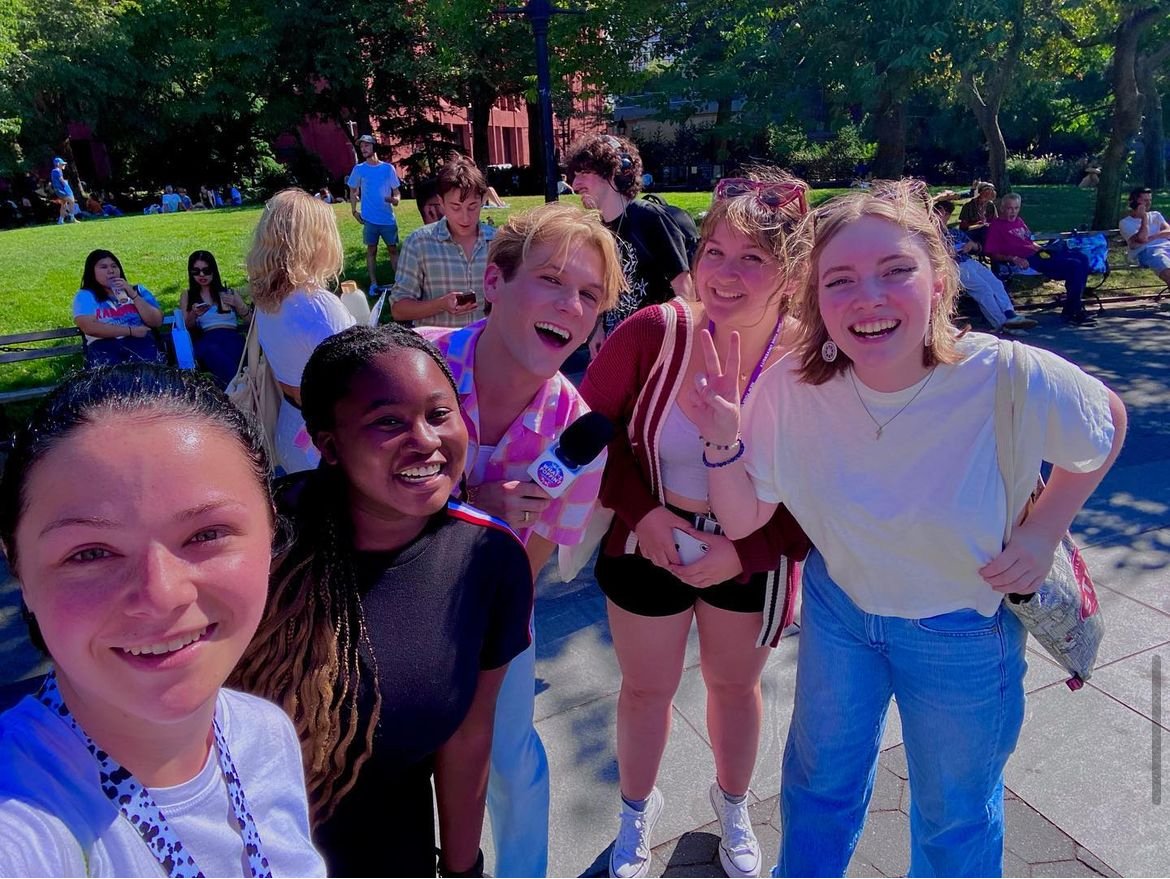
Starting college felt like stepping into a whole new world for me. I remember arriving on campus with my beat-up suitcase, heart pounding, wondering if I’d end up eating lunch alone every day like some bad teen movie cliché. But here’s the thing—college is this magical bubble where everyone’s in the same boat, scrambling to figure out life while pretending they’ve got it all together. Making new friends isn’t just about surviving those first awkward weeks; it’s about building a support system that can turn stressful all-nighters into fun memories and lonely weekends into adventures. In this guide, we’ll dive deep into practical strategies drawn from real experiences, including my own mishaps and triumphs, to help you navigate the social scene. Whether you’re an outgoing type or someone who prefers quiet corners, these tips will equip you to form genuine connections that last beyond graduation.
Understanding the College Social Landscape
College throws you into a melting pot of personalities, backgrounds, and ambitions, making it both exciting and overwhelming to build friendships. Unlike high school, where cliques often form early and stick, college offers fresh starts where shared classes, dorms, or events become natural bridges. But it requires effort—showing up, being open, and sometimes pushing past that initial discomfort to spark conversations that could lead to lifelong bonds.
Why Making Friends Matters
Friendships in college provide emotional support during tough times like homesickness or exam stress, and they enhance your overall experience by creating opportunities for collaboration and fun. Studies show that strong social networks boost mental health and academic performance, turning potential isolation into a vibrant community. Plus, these relationships often extend into professional networks post-graduation, opening doors you didn’t even know existed.
Common Challenges
Many students face hurdles like shyness, cultural differences, or simply the chaos of adjusting to independence, which can make initiating friendships feel daunting. It’s normal to worry about rejection or fitting in, especially if you’re commuting or starting mid-year. Recognizing these as shared experiences can ease the pressure and encourage proactive steps.
Preparing Yourself Mentally
Before diving into social scenes, getting your mindset right is key—think of it as warming up before a workout to avoid pulling a social muscle. Embrace the idea that everyone is eager to connect, even if they don’t show it, and view rejections as mismatches rather than failures. This shift turns anxiety into excitement, setting the stage for authentic interactions.
- Adopt a growth mindset: Remind yourself that social skills improve with practice, just like learning a new subject.
- Set small goals: Aim to talk to one new person daily, building confidence gradually without overwhelming yourself.
- Practice self-compassion: If a conversation flops, laugh it off—humor helps, like joking about your “award-winning awkwardness.”
- Visualize success: Picture positive outcomes to reduce nerves, drawing from real stories where persistence paid off.
Leveraging Your Dorm Life
Dorms are like friendship incubators, packed with people in close quarters ready for spontaneous chats over late-night snacks. Keep your door open, introduce yourself early, and join floor activities to turn neighbors into pals. It’s where many of my closest college bonds started, from shared microwave mishaps to deep talks at 2 a.m.
| Pros of Dorm Living for Friendships | Cons of Dorm Living for Friendships |
|---|---|
| Constant access to peers for easy hangouts | Noise and distractions can hinder deep connections |
| Shared experiences like communal bathrooms build quick camaraderie | Privacy issues might lead to conflicts if boundaries aren’t set |
| Built-in events like floor meetings foster group bonds | Roommate mismatches can create tension in social circles |
Meeting Your Roommate
Your roommate can become your first college friend or a valuable ally in expanding your circle—start with open communication about habits and interests. Share a meal or decorate together to break the ice naturally. If things click, great; if not, use it as a stepping stone to meet others on the floor.
Exploring Common Areas
Lounges and kitchens are goldmines for casual encounters—grab a coffee there instead of your room to bump into folks organically. Play music or games to draw people in, turning routine spots into social hubs. Remember, a simple “What’s cooking?” can lead to recipe swaps and lasting friendships.
Getting Involved on Campus
Campus involvement is a surefire way to meet like-minded people, as shared passions create instant talking points beyond small talk. From clubs to volunteering, these activities structure your social life while adding resume boosters. I joined a hiking group on a whim and ended up with friends who dragged me on adventures that balanced my study grind.
Joining Clubs and Organizations
Clubs align with your interests, whether academic, cultural, or hobby-based, making conversations flow easily from the get-go. Attend a few meetings to gauge fit, and don’t hesitate to take on small roles for deeper involvement. Websites like your college’s student affairs page list options—check them out early in the semester.
Participating in Sports and Intramurals
Sports teams or casual leagues offer teamwork and endorphin-fueled bonding, even if you’re not athletic—think fun over competition. Sign up via campus rec centers for soccer or yoga groups. It’s how I met a buddy who turned pickup games into weekly traditions, blending fitness with friendship.
Clubs vs. Greek Life: A Comparison
Clubs provide flexible, interest-specific commitments without dues, ideal for dipping toes into social waters. Greek life, on the other hand, offers structured events and housing but involves rush processes and fees—great for outgoing types seeking brotherhood/sisterhood vibes. Choose based on your energy levels; both can lead to strong networks if you engage fully.
- Pros of Clubs: Low pressure, diverse options, easy to join/leave.
- Cons of Clubs: Less structured social calendar.
- Pros of Greek Life: Built-in events, lifelong alumni connections.
- Cons of Greek Life: Time-intensive, potential for exclusivity.
Making Connections in Class
Classes are underrated friendship factories—sitting next to someone weekly creates familiarity ripe for chats. Arrive early, ask about notes, or form study groups to transition from classmates to friends. One semester, a random seating assignment led to my go-to study partner, proving academics and socializing mix well.
- Comment on the lecture: “That prof’s examples are wild, right?” sparks agreement and follow-ups.
- Exchange contacts: For “class updates,” which often evolves into hangouts.
- Suggest group reviews: Before exams, turning solo stress into collaborative wins.
- Follow up outside class: Grab coffee to discuss topics deeper, building rapport.
Attending Events and Social Gatherings
Events like orientations, games, or festivals are designed for mingling—show up solo if needed, as they’re low-stakes ways to meet folks. Keep an eye on campus calendars or apps for listings. I once went to a trivia night alone and left with a team that became my weekend crew, showing how events turn strangers into squads.
Orientation and Welcome Weeks
These kickoff events are prime for first impressions—participate in icebreakers and group activities to connect quickly. Follow up with people you vibe with via social media. They’re structured to ease transitions, so lean into the fun without overthinking.
Themed Nights and Parties
Parties offer relaxed vibes for chats, but focus on quality interactions over quantity—dance, play games, or just observe to find your people. If partying isn’t your scene, opt for sober alternatives like movie nights. Balance fun with safety, and remember, real friends respect your choices.
Tips for Introverts and Shy Students
If crowds drain you, start small—focus on one-on-one chats or quiet settings like libraries over loud parties. As an introvert myself, I learned to recharge between social bursts, turning potential overwhelm into manageable steps. Identify your goals, like finding a study buddy, to make efforts purposeful and less intimidating.
Starting Conversations
Begin with observations: “This line for coffee is endless—any recommendations?” to ease in without pressure. Practice in low-risk spots like elevators. Over time, these build confidence, as I discovered when a shy compliment led to a lasting friendship.
Building Routines
Establish habits in public spaces—study in the same café spot weekly to become a “familiar face.” Introduce yourself gradually to recurring people. This approach feels organic, reducing the “stranger” factor and letting connections grow naturally.
Pros and Cons of Solo vs. Group Approaches
Solo approaches allow deeper talks but require more initiative. Group settings provide safety in numbers yet can feel overwhelming. Weigh your comfort—mix both for balanced growth, like joining a small club subgroup.
- Pros of Solo: Personalized bonds, less noise.
- Cons of Solo: Higher rejection risk.
- Pros of Group: Shared energy, easier entry.
- Cons of Group: Harder to stand out.
Using Technology and Apps
Tech bridges gaps in busy schedules—use apps for event RSVPs or group chats to stay connected. Platforms like Bumble BFF or campus-specific forums match you with peers. For best tools, try Meetup for local groups or Yik Yak for anonymous icebreakers, turning digital pings into real meets.
- Download campus apps: For event alerts and club sign-ups.
- Join social media groups: Freshman Facebook pages foster pre-arrival connections.
- Use friendship apps: Like Peanut for platonic matches, focusing on shared interests.
- Balance online with offline: Follow up virtual chats with in-person hangs.
Building and Maintaining Friendships
Once connections spark, nurture them with consistent effort—schedule regular meetups and show genuine interest in their lives. Share vulnerabilities to deepen bonds, like opening up about stresses. My college friends stuck because we celebrated wins and weathered lows together, proving maintenance is as crucial as making.
Handling Conflicts
Disagreements happen—address them calmly with “I feel” statements to preserve ties. Learn from them to set boundaries early. Healthy friendships weather storms, turning potential rifts into stronger understandings.
Expanding Your Circle
Introduce friends from different groups to create a diverse network—host mixers or group outings. This enriches experiences, like blending club pals with dorm buddies for epic game nights.
People Also Ask
Is it hard to make friends in college?
Not necessarily—college’s open environment makes it easier than high school, with events and shared spaces facilitating connections. Challenges arise from shyness or busyness, but proactive steps like joining clubs smooth the path. Many find it rewarding once they start.
How do I make friends in college if I’m shy?
Start small with class chats or quiet events, building confidence gradually. Focus on listening and shared interests to ease in. Resources like introvert guides emphasize authenticity over forcing extroversion.
Where can I meet new friends on campus?
Dorms, classes, clubs, and events are top spots—check student centers for listings. Off-campus, try local cafes or volunteering. Apps and social media groups also point to gatherings.
What are the best apps for making friends in college?
Bumble BFF for matches, Meetup for interest-based groups, and campus apps like Eventbrite for events. They’re transactional tools to find and join social opportunities quickly.
How to make friends as a commuter student?
Maximize campus time by studying in lounges or attending evening events. Join clubs with flexible schedules and carpool for bonds. It’s about intentional presence despite not living on-site.
FAQ
How long does it take to make friends in college?
It varies—some click in weeks via orientations, others take a semester of consistent effort. Patience is key; focus on quality over speed for meaningful ties.
What if I don’t like partying—can I still make friends?
Absolutely—opt for clubs, study groups, or hobby events. Many students prefer low-key hangs; seek those sharing your vibe for authentic connections.
How do I know if someone wants to be friends?
Look for reciprocated effort like initiating plans or sharing personal stories. If chats flow and they follow up, it’s a green light—trust your gut.
Should I join Greek life to make friends?
It depends—if you thrive in structured social scenes, yes, for built-in networks. But clubs offer similar benefits without commitments; try both to see.
What to do if I’m feeling lonely in college?
Reach out—talk to counselors, join support groups, or call home. Actively engage in activities; loneliness often fades with small, consistent social steps.
In wrapping up, making new friends in college is less about grand gestures and more about showing up as your real self, one conversation at a time. From my own journey, I know the nerves are worth it—the laughs, support, and growth make the effort unforgettable. Dive in, stay open, and watch your circle expand. For more on campus life, check our guide on balancing studies and socials, or explore external resources like Succeed Socially’s college tips.
(Word count: 2,756)