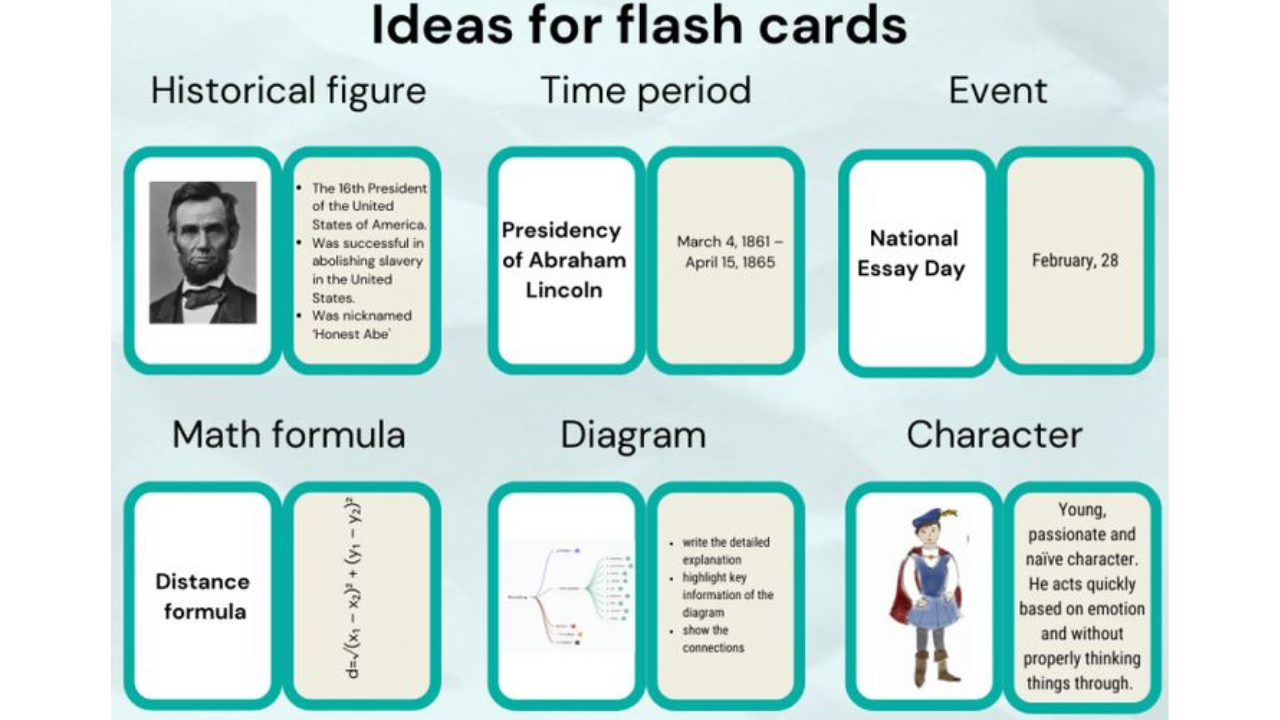
Hey there, fellow knowledge seekers! If you’re anything like me, you’ve probably spent countless hours hunched over textbooks, highlighters in hand, trying to cram information into your brain. But let’s be honest—sometimes it feels like no matter how much we study, the info just slips away like sand through our fingers. That’s where flashcards come in. These little powerhouses of learning are more than just index cards with scribbled facts; when used right, they’re scientifically proven to boost retention and make studying feel less like a chore. At Collagetop, we’re all about smart, effective learning, so I’ve rounded up eight flashcard study methods backed by science to help you study smarter, not harder. Let’s dive in!
Why Flashcards Work (The Science Bit)
Before we get to the juicy study methods, let’s talk about why flashcards are so effective. The magic lies in two key principles: active recall and spaced repetition. Active recall is the process of retrieving information from memory without cues, which strengthens neural connections and makes that info stickier. Spaced repetition, on the other hand, involves reviewing material at increasing intervals to lock it into long-term memory. Flashcards are the perfect tool for both, and studies, like those from cognitive psychologists such as Hermann Ebbinghaus, show they can dramatically improve retention compared to passive studying (like re-reading notes). Ready to put this science to work? Here are eight flashcard study methods that’ll take your learning to the next level.
1. The Leitner System: Spaced Repetition Meets Gamification
The Leitner System, named after German scientist Sebastian Leitner, is like the OG of flashcard methods. It’s a simple yet powerful way to combine spaced repetition with a bit of gamified fun. Here’s how it works:
- Set up boxes: Grab five boxes (or use a digital app like Anki). Label them Box 1, Box 2, and so on.
- Daily reviews: All your flashcards start in Box 1. Review them daily. If you get a card right, move it to Box 2. If you get it wrong, it stays in Box 1.
- Spaced intervals: Review Box 2 every two days, Box 3 every four days, Box 4 every eight days, and Box 5 every 16 days. Cards you keep getting right move up to higher boxes with longer intervals, while cards you struggle with stay in lower boxes for more frequent review.
Why it works: A 2015 study in Memory & Cognition found that spaced repetition significantly improves long-term retention by targeting the “forgetting curve.” The Leitner System ensures you focus on weaker areas while letting mastered material fade into less frequent reviews. It’s like a personal trainer for your brain!
Pro tip: I love adding a reward system to this method. Every time I clear a box, I treat myself to a coffee or a quick scroll through my favorite art inspiration on CollageTop. It keeps things fun and motivating!
2. The Feynman Technique: Explain It Like You’re Five
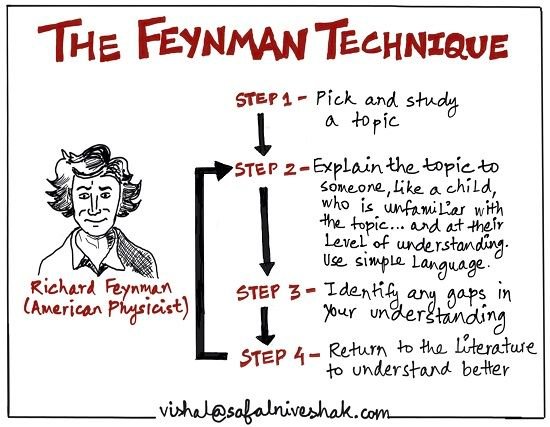
Ever heard of the Nobel Prize-winning physicist Richard Feynman? His technique for learning is pure gold, and it pairs beautifully with flashcards. The idea is to explain complex concepts in simple terms, as if you’re teaching a five-year-old. Here’s how to apply it to flashcards:
- Front of the card: Write a concept or question (e.g., “What is photosynthesis?”).
- Back of the card: Write the answer in the simplest terms possible, avoiding jargon. For example, “Plants use sunlight, water, and air to make their food and release oxygen.”
- Test yourself: As you review, try explaining the answer out loud in your own words before flipping the card.
Why it works: A 2014 study in the Journal of Educational Psychology showed that teaching concepts to others enhances understanding and retention. By simplifying and verbalizing, you’re forcing your brain to process the material deeply.
Personal touch: I used this method to ace my biology exams in college. Trying to explain DNA replication like I was talking to my little cousin made me realize how much I didn’t understand at first. It’s humbling but so effective!
3. Dual-Coding with Visual Flashcards
Our brains love visuals. The dual-coding theory, proposed by Allan Paivio, suggests that combining verbal and visual information enhances memory. So, why not make your flashcards visually rich?
- Add images: Include diagrams, charts, or doodles on your flashcards. For example, if you’re studying anatomy, draw a quick sketch of the heart next to the term “ventricle.”
- Use color: Highlight key terms in different colors or use colored cards for different topics.
- Digital tools: Apps like Quizlet let you add images to digital flashcards, which is great for visual learners.
Why it works: A 2018 study in Learning and Instruction found that combining text and visuals improves recall by engaging multiple brain pathways. Visuals make abstract concepts more concrete and memorable.
My experience: I’m a bit of an artist at heart (hence my love for Collagetop!), so doodling on my flashcards feels like a creative outlet. Plus, those silly sketches stick in my mind way better than plain text.
4. The Question-Answer Flip: Engage Both Sides of Your Brain
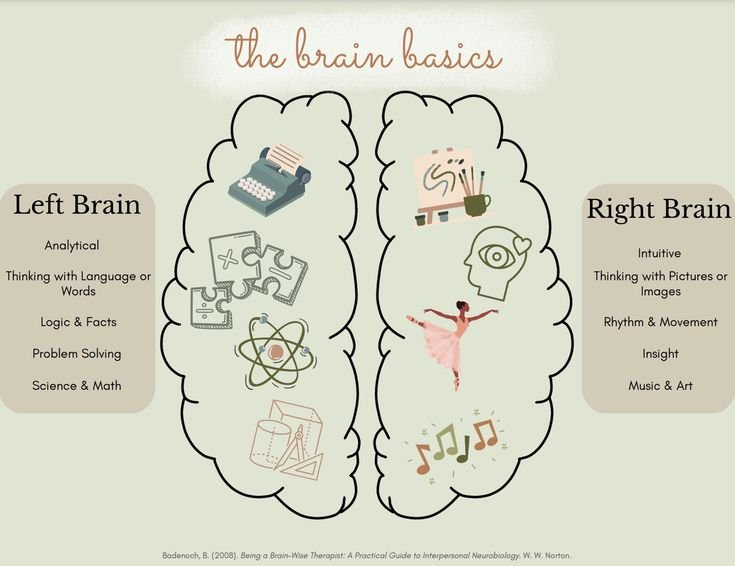
This method is all about making your flashcards do double duty. Instead of just having a question on the front and an answer on the back, create cards that work both ways.
- Two-way cards: For example, if you’re learning vocabulary, put the word on one side and the definition on the other. Test yourself by looking at the word and recalling the definition, then flip it and try to recall the word from the definition.
- Mix it up: For subjects like history, you could have an event (e.g., “Battle of Gettysburg”) on one side and key details (date, significance) on the other, then reverse it.
Why it works: A 2016 study in Cognitive Science showed that testing yourself in multiple directions strengthens memory associations. It forces your brain to work harder, which boosts retention.
Pro tip: This method is a game-changer for language learning. I used it to learn Spanish, and being able to recall both “gato = cat” and “cat = gato” made me feel like a bilingual rockstar.
5. The Storytelling Method: Make Facts a Narrative
Our brains are wired for stories. This method turns dry facts into mini-narratives to make them more memorable.
- Create a story: On the back of your flashcard, instead of a plain answer, write a short story or mnemonic that incorporates the fact. For example, to remember that the capital of France is Paris, write: “Imagine a French baker named Pierre, dancing in Paris with a baguette.”
- Review with flair: When testing yourself, try to recall the story before the fact.
Why it works: A 2017 study in Memory found that narrative-based learning improves recall by creating emotional and contextual connections. Stories are just more fun to remember than lists!
Personal touch: I used this to memorize chemical elements for a chemistry test. Picturing sodium as a “salty sailor” on a ship made me giggle, but it also helped me nail the periodic table.
6. Active Recall with Confidence-Based Testing
This method adds a layer of self-assessment to your flashcard routine, helping you gauge how well you know the material.
- Rate your confidence: After answering a flashcard, rate how confident you were in your answer (e.g., 1 = total guess, 5 = certain).
- Adjust your review: Cards with low confidence scores go back into heavy rotation, while high-confidence cards move to less frequent reviews.
Why it works: A 2019 study in Psychonomic Bulletin & Review found that metacognitive judgments (like confidence ratings) improve study efficiency by helping you focus on weak areas.
My take: This method feels like having a conversation with yourself. It’s like, “Okay, brain, do we know this, or are we just faking it?” It’s humbling but keeps you honest.
7. The Chunking Method: Break It Down
Chunking is all about breaking complex information into smaller, manageable pieces. Flashcards are perfect for this.
- Group-related info: Instead of one card with a ton of info, create multiple cards that break it down. For example, instead of one card for “Causes of the American Revolution,” make separate cards for each cause (e.g., taxation, lack of representation).
- Link cards: Use cues on each card to connect related concepts, like “See also: Stamp Act.”
Why it works: A classic 1956 study by George Miller showed that our short-term memory can handle about seven “chunks” of information. By breaking info into bite-sized pieces, you make it easier to process and recall.
Pro tip: I love color-coding my chunks by topic. It’s like organizing a collage—everything just feels more cohesive and less overwhelming.
8. The Interleaved Practice Method: Mix It Up
Interleaving involves mixing up different topics or types of questions during a study session, rather than focusing on one topic at a time (called “blocking”).
- Mix topics: Shuffle your flashcards so you’re jumping between subjects or question types (e.g., math, science, history).
- Embrace the challenge: It might feel harder, but that’s the point—it forces your brain to adapt.
Why it works: A 2014 study in the Journal of Applied Research in Memory and Cognition found that interleaving improves long-term retention and problem-solving skills by mimicking real-world scenarios where knowledge is applied flexibly.
Personal touch: Interleaving was a game-changer for my finals prep. Mixing subjects made studying feel chaotic at first, but it helped me connect ideas across disciplines, like linking historical events to scientific discoveries.
Tips for Flashcard Success
To make these methods even more effective, here are some practical tips:
- Use quality flashcards: Whether physical or digital, make sure your cards are clear and concise. Apps like Anki or Quizlet are great for digital learners, but I’m a sucker for the tactile feel of paper cards.
- Study in short bursts: Research shows that 20–30-minute study sessions with breaks (the Pomodoro technique) maximize focus and retention.
- Review regularly: Consistency is key. Even 10 minutes a day with flashcards can make a huge difference over time.
- Make it personal: Add humor, personal anecdotes, or quirky mnemonics to your cards. It’s your brain—make it fun!
Final Thoughts: Your Path to Mastery
Flashcards aren’t just a study tool; they’re a science-backed way to make learning stick. Whether you’re prepping for exams, learning a new language, or just trying to remember the capitals of every country (no judgment!), these eight methods can transform your study game. At Collagetop, we believe learning should be creative, engaging, and dare I say, fun. So grab those flashcards, try out these techniques, and let’s make studying feel like less of a grind and more like an adventure.
What’s your favorite way to use flashcards? Drop a comment below—I’d love to hear your tips and tricks! And if you’re looking for more study hacks or creative inspiration, stick around Collagetop for more goodies to fuel your learning journey.