
In an era where the boundaries of creativity are continually being redefined, the journey of a graphic design student from Mexico to Paris offers a compelling narrative of cultural exchange, personal growth, and artistic evolution. This article delves into the experiences of Maria, a talented graphic designer whose passion for her craft led her from the vibrant streets of Mexico City to the historic boulevards of Paris. Through her story, we explore the challenges and triumphs of studying abroad, the influence of cultural differences on design, and the transformative power of immersing oneself in a new artistic environment.
A Dream Born in Mexico
Maria’s journey begins in Mexico City, a metropolis known for its rich history, colorful murals, and dynamic design scene. From a young age, Maria was captivated by the visual language that surrounded her—whether it was the bold typography of local street art or the intricate patterns of traditional Mexican textiles. Her passion for graphic design grew as she studied at a local university, where she honed her skills in typography, branding, and digital media. However, Maria dreamed of expanding her horizons beyond the familiar. She was particularly drawn to Paris, a city synonymous with art, fashion, and design innovation. The opportunity to study at a prestigious Parisian design school seemed like the perfect way to challenge herself and elevate her craft.
Maria’s decision to study abroad was not without its challenges. Leaving behind her family, friends, and the comfort of her native language was daunting. Yet, her determination to grow as a designer outweighed her fears. In the fall of 2023, Maria boarded a plane to Paris, ready to embark on a new chapter of her life.
First Impressions: Paris Through a Designer’s Eyes
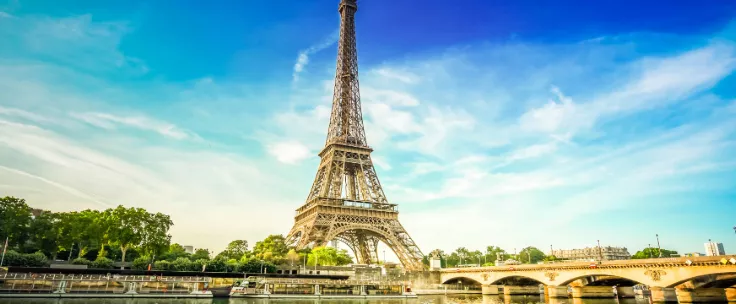
Upon arriving in Paris, Maria was immediately struck by the city’s unique blend of history and modernity. The cobblestone streets, grand architecture, and iconic landmarks like the Eiffel Tower and Notre-Dame Cathedral were a stark contrast to the bustling, chaotic energy of Mexico City. Paris exuded an air of sophistication, with its minimalist fashion, chic cafés, and world-renowned museums. For Maria, every corner of the city seemed to tell a story, offering endless inspiration for her design work.
However, the initial excitement was tempered by the realities of adapting to a new culture. Navigating the metro system, understanding French social norms, and overcoming the language barrier were daily challenges. Maria quickly realized that her intermediate French skills were not enough to keep up with the fast-paced conversations in her classes. Despite these obstacles, she remained undeterred, using her design sensibilities to observe and absorb the visual culture around her. She spent hours sketching in the Louvre, studying the works of masters like Henri de Toulouse-Lautrec and the Art Nouveau movement, which would later influence her own design style.
Bridging Two Worlds: Design Education in Paris
Maria’s experiences at the Parisian design school were both exhilarating and demanding. The curriculum was rigorous, emphasizing a blend of theoretical knowledge and practical application. Classes ranged from typography and layout design to motion graphics and user experience (UX) design. One of the most striking differences Maria noticed was the French approach to design education, which placed a strong emphasis on conceptual thinking and minimalism. In contrast to the bold, colorful aesthetics she was accustomed to in Mexico, Parisian design often favored clean lines, subtle color palettes, and a focus on functionality.
Adapting to this new style was not easy. Maria’s early projects were met with constructive criticism from her professors, who encouraged her to strip away unnecessary elements and focus on the essence of her designs. In one memorable instance, during a branding project for a fictional Parisian café, Maria’s initial concept was deemed “too loud” by her instructor. She was challenged to rethink her approach, ultimately creating a logo that balanced elegance with a touch of Mexican flair—a fusion that would become a hallmark of her evolving style.
Language barriers also posed a significant challenge. While many of her classmates were fluent in French, Maria often struggled to express her ideas during critiques. To overcome this, she relied on visual communication, using sketches and mood boards to convey her concepts. Over time, her French improved, and she gained confidence in articulating her design choices. This experience taught her the importance of adaptability and resilience—qualities that would serve her well in her future career.
Cultural Fusion: How Paris Shaped Maria’s Design Style
As Maria immersed herself in Parisian life, her design style began to evolve in unexpected ways. The city’s art, architecture, and culture became a wellspring of inspiration. She was particularly drawn to the Art Nouveau movement, with its organic forms and intricate details, which reminded her of the decorative elements found in Mexican folk art. Maria started experimenting with ways to blend these influences, creating designs that married the elegance of Parisian aesthetics with the vibrancy of Mexican culture.
One of her most notable projects during her time in Paris was a poster series for a cultural festival celebrating Latin American art. Maria incorporated motifs from both Mexican and French artistic traditions, using a color palette inspired by the streets of Montmartre and the markets of Oaxaca. The project was a success, earning her recognition from her peers and professors. It was a turning point for Maria, as she realized that her unique perspective as a Mexican designer in Paris could be a strength rather than a limitation.
Beyond the classroom, Maria’s exploration of Paris’s design scene further shaped her approach. She attended exhibitions at the Musée des Arts Décoratifs, interned at a local design studio, and even collaborated with French students on a project for a sustainable fashion brand. These experiences exposed her to new techniques, such as eco-friendly printing methods and digital design tools, which she eagerly incorporated into her work.
Overcoming Challenges: The Personal Growth Behind the Designs
Maria’s journey was not without its moments of doubt. The pressure to succeed in a competitive environment, coupled with homesickness, occasionally weighed on her. There were days when she questioned whether she had made the right decision to study abroad. However, these challenges also became opportunities for personal growth. Maria learned to embrace discomfort as a catalyst for creativity, often channeling her emotions into her designs.
One such instance occurred during a particularly stressful semester when she was tasked with creating a visual identity for a nonprofit organization. Feeling overwhelmed, Maria took a weekend trip to the Palace of Versailles, where the opulence and grandeur of the gardens inspired her to think differently about space and composition. She returned to her project with renewed energy, ultimately producing a design that was both innovative and emotionally resonant.
Through these experiences, Maria developed a deeper understanding of herself as a designer and as an individual. She learned that her cultural background was not something to be set aside but rather a source of strength and originality. This realization would become a cornerstone of her design philosophy.
Returning Home: A Designer Transformed
After two years in Paris, Maria returned to Mexico with a transformed perspective on graphic design. Her time abroad had not only refined her technical skills but also broadened her worldview. She brought back a wealth of knowledge about European design trends, sustainable practices, and the importance of conceptual depth in visual communication.
Upon her return, Maria quickly made a name for herself in the Mexican design community. She founded a small design studio that specialized in creating visual identities for cultural and social impact projects. Her work often reflected the fusion of Mexican and French influences, blending bold colors and patterns with minimalist layouts. One of her first major projects was designing the branding for a Mexico City art gallery, where she incorporated elements of Art Nouveau typography with traditional Mexican iconography.
Maria’s experiences in Paris also inspired her to become an advocate for cross-cultural collaboration in design. She began mentoring young Mexican designers, encouraging them to seek inspiration beyond their borders while staying true to their roots. In interviews and workshops, she often spoke about the importance of embracing one’s cultural identity while remaining open to global influences—a lesson she had learned firsthand.
Conclusion: A Journey of Endless Inspiration
Maria’s journey from Mexico to Paris is more than just a story of studying abroad; it is a testament to the power of cultural exchange in shaping a designer’s voice. Through her experiences, she discovered that the essence of graphic design lies not only in technical proficiency but also in the ability to tell stories that resonate across cultures. Paris may have been the destination, but the journey itself—marked by challenges, growth, and inspiration—became the true reward.
As Maria continues to evolve as a designer, her story serves as a reminder that the world of graphic design is vast and interconnected. For aspiring designers, her journey underscores the value of stepping outside one’s comfort zone, embracing new perspectives, and finding beauty in the fusion of diverse influences. In a field that thrives on creativity and innovation, there is no greater teacher than the world itself.