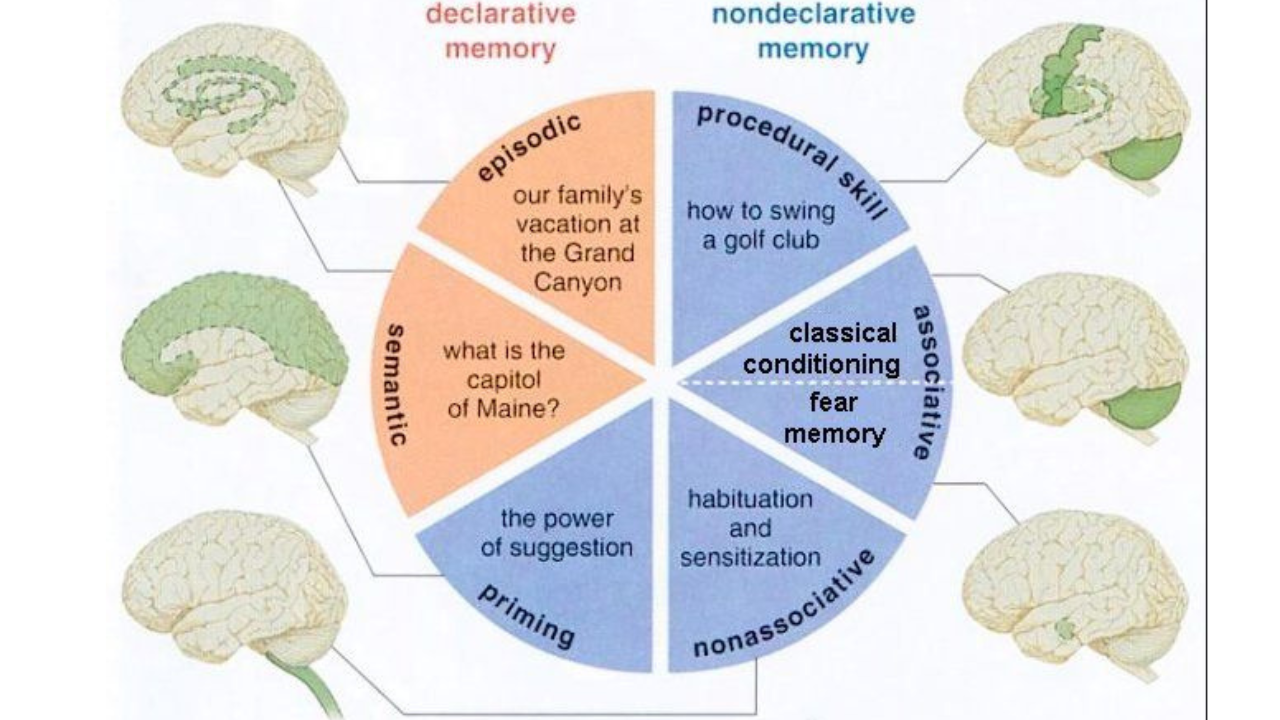
Have you ever walked into a room and completely forgotten why you’re there? Or maybe you’ve blanked on someone’s name right after being introduced? We’ve all had those moments where our memory feels like it’s playing hide-and-seek with us. It’s frustrating, but the good news is that memory isn’t some fixed trait you’re stuck with. Science has shown us that with the right strategies, you can sharpen your memory and keep it razor-sharp for years to come. In this Definitive guide, I’m diving deep into the science-backed ways to boost your memory, drawing from research, personal experiences, and practical tips you can start using today. Whether you’re a student cramming for exams, a professional juggling a million tasks, or just someone who wants to remember where they parked their car, this post is for you.
Let’s get started on this journey to a better, stronger memory—because who doesn’t want to feel like their brain is firing on all cylinders?
Why Memory Matters (And Why It’s Not Just About Age)
Memory is the foundation of how we learn, connect, and navigate the world. It’s not just about remembering facts for a test; it’s about holding onto the moments that make life meaningful—like the smell of your grandma’s cooking or the punchline to your favorite joke. But memory isn’t perfect. Even in our 20s and 30s, we can struggle with forgetfulness, especially when stress, lack of sleep, or distractions take over.
Here’s the thing: memory decline isn’t just an “old age” problem. Research from the National Institute on Aging shows that subtle memory changes can start as early as your 20s, but the brain remains highly adaptable (a concept called neuroplasticity) well into later life. This means you can train your brain to stay sharp at any age. Think of your memory like a muscle—use it, challenge it, and feed it right, and it’ll grow stronger. Neglect it, and it might get a little flabby.
So, how do we flex that memory muscle? Let’s break it down with science-backed strategies that are easy to weave into your daily life.
1. Feed Your Brain the Right Fuel
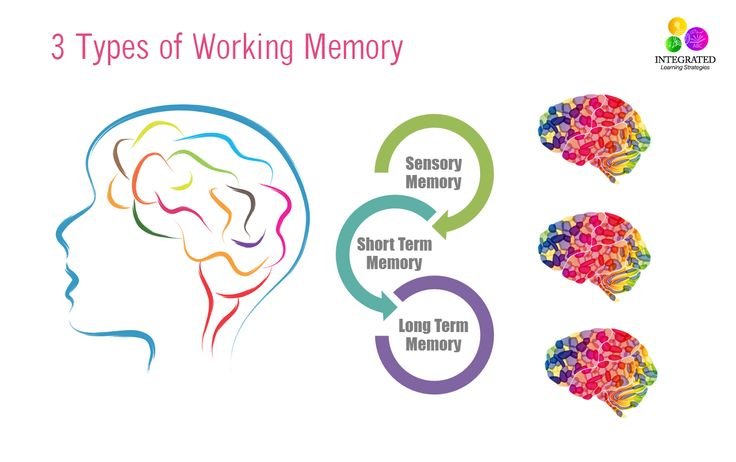
You wouldn’t expect a car to run smoothly on bad gas, so why expect your brain to perform without the right nutrients? Diet plays a massive role in memory function. Studies, like one published in The Lancet Neurology in 2023, have shown that diets rich in certain nutrients can enhance cognitive performance and even slow age-related memory decline.
What to Eat for a Sharp Memory
- Omega-3 Fatty Acids: Found in fatty fish like salmon, walnuts, and flaxseeds, omega-3s are like a superfood for your brain. They support the structure of brain cells and improve communication between neurons. Aim for at least two servings of fish per week or consider a high-quality fish oil supplement.
- Antioxidants: Blueberries, spinach, and dark chocolate (yes, chocolate!) are packed with antioxidants that protect your brain from oxidative stress. A 2021 study in Nutrients found that regular consumption of berries improved memory recall in adults.
- Whole Grains and Complex Carbs: Your brain needs glucose for energy, but skip the sugary snacks. Opt for whole grains like oats, quinoa, and brown rice, which provide a steady energy supply without the crash.
- Mediterranean Diet: This isn’t a single food, but a lifestyle. The Mediterranean diet—rich in fruits, veggies, nuts, olive oil, and lean proteins—has been linked to better cognitive function in multiple studies, including a 2024 meta-analysis in Frontiers in Nutrition.
My Take
I started incorporating more blueberries and walnuts into my breakfast smoothies after reading about their benefits, and I swear I’ve noticed a difference. It’s not like I suddenly remember every detail of my childhood, but I feel sharper during the day. Try adding a handful of nuts to your morning oatmeal or snacking on some dark chocolate (70% cocoa or higher) when you need a brain boost. It’s a delicious way to support your memory!
2. Sleep: Your Brain’s Best Friend
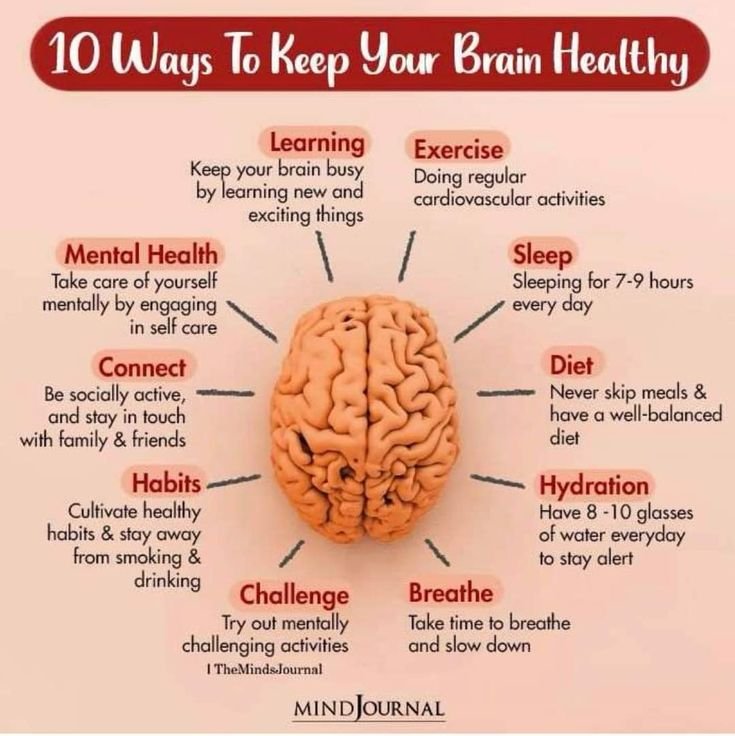
If you’re skimping on sleep, you’re asking your brain to run a marathon with no training. Sleep is when your brain consolidates memories, moving short-term information into long-term storage. A 2022 study in Nature Reviews Neuroscience found that even one night of poor sleep can impair memory recall and learning ability.
How to Optimize Sleep for Memory
- Aim for 7-9 Hours: Most adults need this range for optimal brain function. Create a consistent sleep schedule, even on weekends, to regulate your body’s internal clock.
- Create a Sleep Sanctuary: Keep your bedroom cool, dark, and quiet. Ditch the screens at least an hour before bed—blue light from phones and laptops suppresses melatonin, the hormone that helps you sleep.
- Power Naps: A 20-30 minute nap can boost memory consolidation without leaving you groggy. Just don’t nap too late in the day, or you’ll mess with your nighttime sleep.
A Lesson I Learned the Hard Way
I used to pull all-nighters in college, thinking I could cram for exams and still ace them. Spoiler: I didn’t. My brain was mush, and I could barely remember my name, let alone the periodic table. Now, I prioritize sleep like it’s my job, and the difference is night and day. If you’re struggling to remember things, take a hard look at your sleep habits—it might be the missing piece.
3. Exercise Your Body to Boost Your Brain
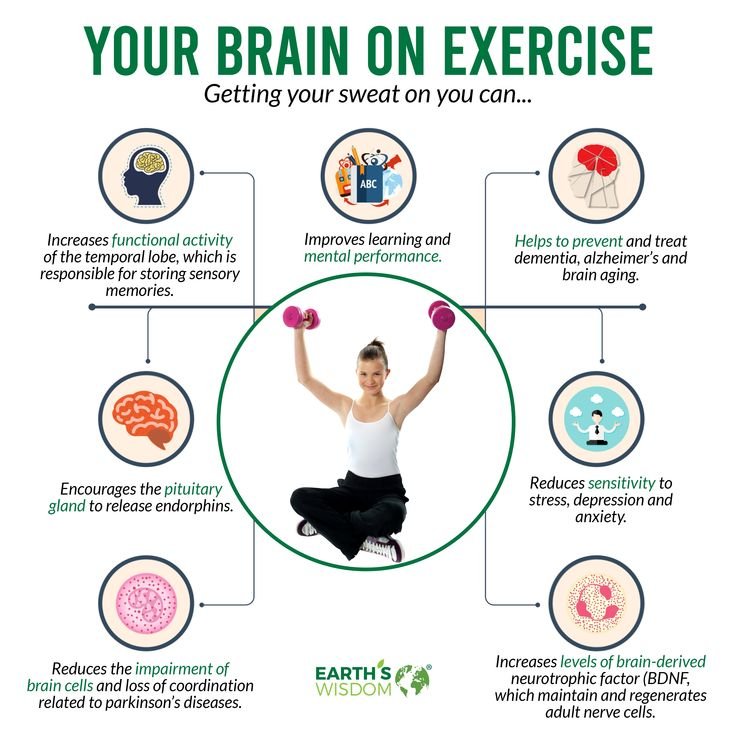
You don’t need to be a gym rat to give your memory a workout. Physical exercise increases blood flow to the brain, promotes the growth of new neurons, and releases chemicals like BDNF (brain-derived neurotrophic factor) that support memory. A 2023 study in The Journal of Neuroscience found that regular aerobic exercise improved memory performance in adults aged 20-60.
Best Exercises for Memory
- Aerobic Exercise: Activities like running, swimming, or cycling are good for your brain. Aim for at least 150 minutes of moderate aerobic activity per week.
- Strength Training: Lifting weights or doing bodyweight exercises like push-ups can also enhance cognitive function, according to a 2024 study in Medicine & Science in Sports & Exercise.
- Mind-Body Exercises: Yoga and tai chi combine movement with mindfulness, reducing stress (a memory killer) while boosting brain health.
My Go-To Routine
I’m not a marathon runner, but I’ve found that a brisk 30-minute walk most days does wonders for my focus and memory. I’ll listen to a podcast or audiobook to make it fun, and it’s become my favorite way to clear mental fog. Even if you’re busy, try sneaking in a quick walk or some yoga stretches—it’s like hitting the reset button for your brain.
4. Train Your Brain with Mental Workouts
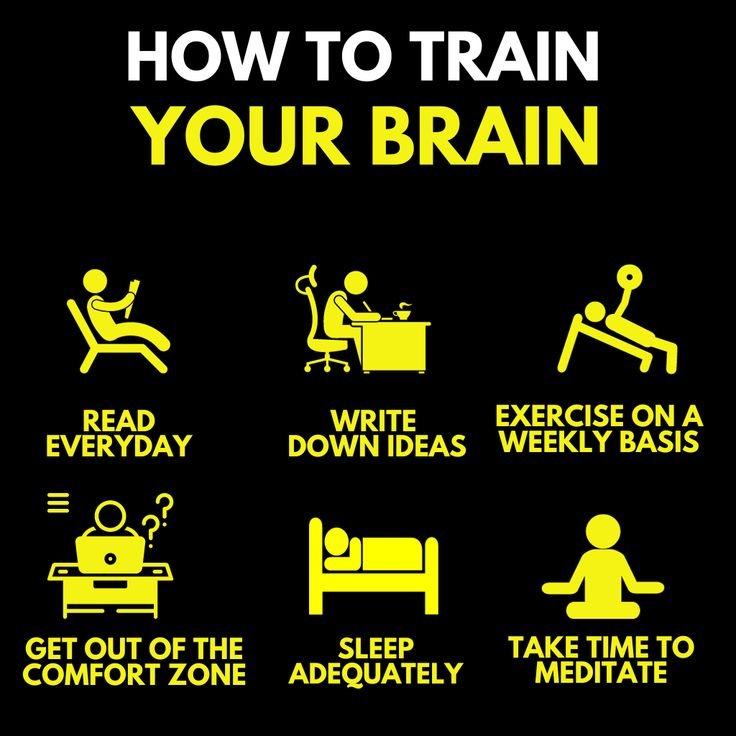
Just like your body needs exercise, your brain thrives on mental challenges. Engaging in activities that push your cognitive limits can strengthen neural connections and improve memory.
Brain-Boosting Activities
- Puzzles and Games: Crosswords, Sudoku, and apps like Lumosity or Elevate are fun ways to challenge your brain. A 2021 study in Brain Sciences showed that regular puzzle-solving improved working memory in older adults.
- Learn Something New: Picking up a new skill—like playing an instrument, learning a language, or even cooking a new cuisine—forces your brain to form new connections. I started learning Spanish last year, and it’s been a game-changer for keeping my mind sharp.
- Memory Techniques: Try mnemonic devices, like acronyms or visualization, to make information stick. For example, to remember a list, create a vivid mental story linking the items together.
A Fun Experiment
I recently tried the “memory palace” technique, where you associate information with specific locations in a familiar place (like your house). I used it to memorize a grocery list, picturing a giant loaf of bread on my couch and a carton of eggs dancing on my kitchen counter. It sounds silly, but it worked like a charm! Give it a try next time you need to remember something important.
5. Manage Stress to Protect Your Memory
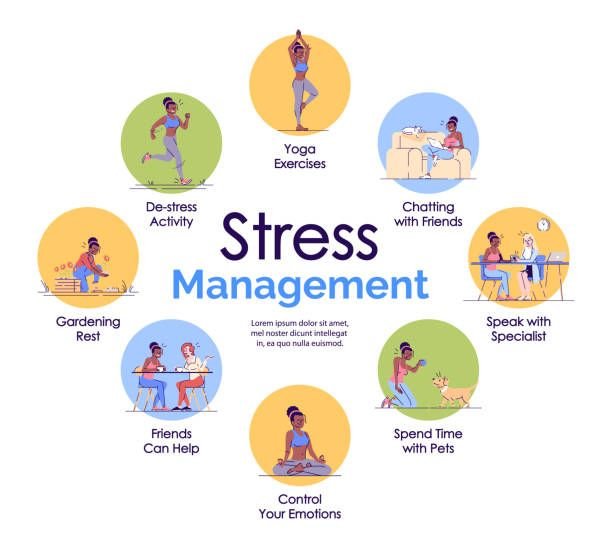
Chronic stress is like kryptonite for your memory. When you’re stressed, your body pumps out cortisol, a hormone that can shrink the hippocampus—the brain region responsible for memory. A 2023 study in Psychoneuroendocrinology found that high cortisol levels were linked to poorer memory performance in adults.
Stress-Busting Tips
- Mindfulness Meditation: Even 10 minutes a day can lower cortisol levels and improve memory, according to a 2022 study in Mindfulness. Apps like Headspace or Calm make it easy to get started.
- Deep Breathing: Try the 4-7-8 technique: inhale for 4 seconds, hold for 7, exhale for 8. It’s a quick way to calm your nervous system.
- Connect with Others: Socializing reduces stress and boosts brain health. A 2024 study in Social Cognitive and Affective Neuroscience found that strong social connections were linked to better memory outcomes.
My Stress Story
I used to let work stress pile up until I was forgetting meetings and misplacing my keys daily. Then I started meditating for just 5 minutes in the morning, and it’s been a lifesaver. It’s not about becoming a zen master—it’s about giving your brain a moment to breathe. Trust me, your memory will thank you.
6. Leverage Technology (But Don’t Overdo It)
In our digital age, there are tons of tools to support your memory, from note-taking apps like Notion to reminder systems on your phone. But be careful—over-relying on tech can weaken your natural memory. A 2021 study in Memory & Cognition found that people who offload information to devices (like saving everything in their phone) tend to have poorer recall.
Smart Ways to Use Tech
- Spaced Repetition Apps: Tools like Anki or Quizlet use science-backed algorithms to help you review information at optimal intervals, strengthening long-term memory.
- Digital Journals: Writing down key information (like meeting notes or daily tasks) reinforces memory through active recall.
- Limit Multitasking: Constantly switching between apps and notifications fragments your attention, making it harder to encode memories. Try focusing on one task at a time.
My Tech Balance
I love using Notion to organize my life, but I make a point to jot down important things by hand, too. There’s something about physically writing that helps it stick in my brain. If you’re glued to your phone, try going analog for a day—it’s surprising how much it helps!
7. Stay Social and Keep Learning
Your brain thrives on connection and curiosity. Engaging with others and staying intellectually curious keeps your memory sharp. A 2023 study in The Journals of Gerontology found that people with active social lives and lifelong learning habits had better memory performance than those who were more isolated.
How to Stay Engaged
- Join a Club or Group: Whether it’s a book club, a cooking class, or a hiking group, social activities stimulate your brain and reduce stress.
- Read Widely: Books, articles, or even podcasts expose your brain to new ideas, strengthening neural networks.
- Teach Others: Explaining something to someone else forces you to process and remember information more deeply.
A Personal Reflection
One of my favorite memories is starting a book club with friends a few years ago. We’d debate plots and characters over coffee, and I noticed how much easier it was to recall details from those discussions compared to books I read alone. It’s a reminder that memory isn’t just about studying—it’s about living and connecting.
Putting It All Together
Sharpening your memory doesn’t require a complete life overhaul. Start small: add some blueberries to your diet, aim for an extra hour of sleep, or try a new brain game. The key is consistency—small, science-backed habits add up over time. Your brain is an incredible, adaptable organ, and with a little care, it can serve you better than ever.
I’ll leave you with this: memory isn’t just about remembering facts or names. It’s about holding onto the moments that make you you. So take these tips, experiment with them, and find what works for your life. Your sharper, stronger memory is waiting.
What’s your favorite memory trick? Let me know in the comments below, or share this post with someone who could use a brain boost. Here’s to remembering the good stuff—and maybe even where you parked your car!