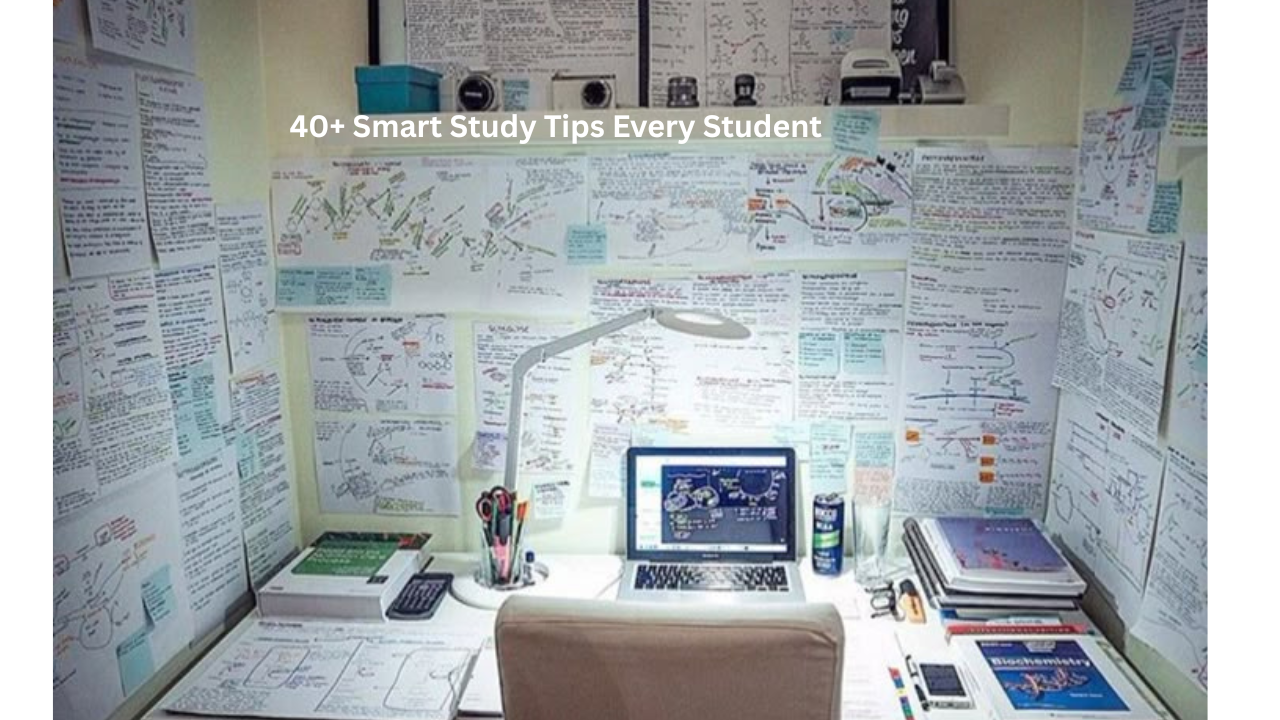
Starting a new semester can feel like standing at the base of a mountain, staring up at the peak. The climb ahead looks daunting, but with the right tools and strategies, you can conquer it with confidence. Whether you’re a freshman navigating college for the first time or a seasoned student aiming to level up your game, these 40+ smart study tips will help you ace your semester. From time management hacks to note-taking tricks, I’ve got you covered with practical, actionable advice that feels like it’s coming from a friend who’s been there. Let’s dive in and make this semester your best yet!
Why Smart Studying Matters
We’ve all had those moments—staring blankly at a textbook at 2 a.m., wondering why nothing’s sticking. Studying smarter, not just harder, is the key to staying on top of your workload without burning out. These tips are designed to help you maximize your time, retain information better, and enjoy the learning process (yes, it’s possible!). Plus, with a little planning and some tried-and-true techniques, you’ll have more time for Netflix, coffee runs, or whatever keeps you sane.
Ready to transform your study game? Here’s a mix of time-tested strategies and fresh ideas to help you thrive this semester.
Plan Like a Pro: Time Management and Organization

- Create a Semester Roadmap
Before the chaos begins, grab a calendar and map out your semester. Mark major deadlines, exams, and project due dates. Having a bird’s-eye view helps you avoid last-minute panics. I like to use a digital planner like Notion or a good old-fashioned wall calendar for this—there’s something satisfying about crossing things off! - Break Down Big Tasks
Big projects can feel overwhelming, but breaking them into smaller chunks makes them manageable. For example, instead of “write 10-page paper,” list steps like “research topic,” “outline draft,” and “write introduction.” Tackle one piece at a time, and you’ll feel less stressed. - Use the Pomodoro Technique
Work for 25 minutes, then take a 5-minute break. After four “Pomodoros,” take a longer break (15–30 minutes). This method keeps you focused and prevents burnout. I’ve found that setting a timer on my phone keeps me accountable—and those short breaks are perfect for a quick stretch or snack. - Prioritize with the Eisenhower Matrix
Sort tasks into four categories: urgent and important, important but not urgent, urgent but not important, and neither. Focus on what’s important first. This trick helped me stop procrastinating on assignments that weren’t due immediately but were critical for my grades. - Schedule “Buffer Time”
Life happens—your laptop crashes, you oversleep, or a group project goes off the rails. Build extra time into your schedule for unexpected hiccups. I usually leave a few hours free each week for “emergency” study sessions or catching up. - Sync Your Study Schedule with Your Energy Levels
Are you a morning person or a night owl? Plan your toughest tasks for when you’re most alert. I’m useless after 10 p.m., so I tackle heavy reading or problem sets in the morning when my brain’s firing on all cylinders. - Use a Task Management App
Apps like Todoist, Trello, or Google Keep can help you stay organized. I love dragging tasks into the “done” column—it’s weirdly satisfying. Find one that works for you and stick with it. - Plan Weekly Check-Ins
Every Sunday, take 15 minutes to review your week. What went well? What needs tweaking? Adjust your schedule and goals accordingly. This habit keeps you on track and makes you feel in control.
Master Your Study Sessions

- Find Your Perfect Study Spot
Whether it’s a quiet library corner, a bustling coffee shop, or your dorm room, find a space where you can focus. I love a cozy café with just enough background noise to keep me motivated but not distracted. - Minimize Distractions
Put your phone on “Do Not Disturb” or use apps like Forest to block social media during study time. I’ve lost hours scrolling Instagram—don’t be me. - Set Specific Goals for Each Session
Instead of “study biology,” aim for “review chapter 3 and make flashcards for key terms.” Clear goals keep you focused and make your progress tangible. - Mix Up Your Study Methods
Don’t just reread notes—try summarizing, teaching someone else, or drawing diagrams. Switching things up helps your brain process information in different ways. I once explained calculus to my roommate’s dog, and it helped! - Use Active Recall
Test yourself on the material without looking at your notes. Flashcards or apps like Quizlet are great for this. It’s tough at first, but it’s one of the best ways to lock in information long-term. - Space Out Your Studying
Cramming might get you through a test, but spaced repetition—reviewing material over time—helps you retain it for the long haul. I use a schedule like this: review notes the day after class, then again a week later, and once more before the exam. - Take Smart Notes
Try the Cornell Note-Taking System: divide your page into sections for main notes, key points, and a summary. It’s a game-changer for organizing thoughts and reviewing later. - Record Lectures (with Permission)
If your professor allows it, record lectures to revisit tricky concepts. Just don’t rely on recordings alone—take notes during class to stay engaged. - Color-Code Your Notes
Use highlighters or colored pens to organize information visually. I assign colors to different themes (e.g., blue for definitions, red for examples). It makes reviewing way more fun. - Teach What You Learn
Explaining concepts to a friend or even to yourself out loud forces you to understand the material deeply. Study groups are great for this—just make sure they stay focused.
Boost Your Memory and Retention

- Use Mnemonics
Acronyms, rhymes, or silly phrases can help you remember lists or formulas. For example, I still use “Please Excuse My Dear Aunt Sally” for the order of operations in math. - Create Mind Maps
Draw diagrams connecting ideas to visualize relationships. This is especially helpful for subjects like history or literature, where context matters. - Associate Information with Stories
Turn dry facts into a narrative. For example, when studying history, imagine you’re a character in that era. It sounds cheesy, but it works! - Use Visual Aids
Charts, graphs, or even doodles can make abstract concepts concrete. I once drew a cartoon of cell division to remember mitosis phases—it was ridiculous but effective. - Practice Retrieval Under Pressure
Simulate exam conditions by timing yourself on practice questions. It builds confidence and helps you recall information when the stakes are high. - Review Before Bed
Studies show that reviewing material before sleep can improve retention. Just don’t stay up too late—sleep is non-negotiable!
Stay Healthy and Balanced
- Prioritize Sleep
Aim for 7–9 hours of sleep per night. Lack of sleep tanks your focus and memory. I learned this the hard way after pulling an all-nighter and blanking on an exam. - Eat Brain-Boosting Foods
Fuel your brain with healthy snacks like nuts, berries, or dark chocolate. Avoid sugary energy drinks—they’ll crash you hard. - Stay Hydrated
Dehydration makes you sluggish. Keep a water bottle handy during study sessions. I like to add a slice of lemon for a little zing. - Move Your Body
Exercise boosts focus and reduces stress. Even a 10-minute walk between study sessions can recharge you. I love a quick yoga flow to reset my brain. - Practice Mindfulness
A 5-minute meditation or deep-breathing session can calm pre-exam nerves. Apps like Headspace or Calm are great for beginners. - Take Real Breaks
Step away from screens during breaks—go for a walk, chat with a friend, or pet a dog. Your brain needs a real reset, not just a scroll through TikTok.
Ace Exams and Assignments

- Know the Exam Format
Is it multiple-choice, essays, or problem sets? Tailor your study approach to the format. For essays, practice outlining answers; for multiple-choice, focus on details. - Make a Cheat Sheet (Even If You Can’t Use It)
Summarizing key concepts on one page forces you to prioritize what matters. Plus, it’s a great review tool. - Study Past Exams
If your professor shares old exams, use them to practice. They’ll give you a sense of what to expect and highlight key topics. - Start Assignments Early
Even if it’s just a rough outline, starting early gives you time to refine your work. I’ve saved myself so much stress by writing a terrible first draft days before the deadline. - Proofread Everything
Typos and sloppy formatting can cost you points. Read your work aloud or use tools like Grammarly to catch errors. - Ask for Feedback
If you bomb an assignment, ask your professor for specific feedback. It shows you care and helps you improve for next time.
Leverage Resources and Support

- Use Office Hours
Professors and TAs are there to help. Drop by with specific questions—it’s way better than struggling alone. - Join a Study Group
Find classmates who are serious about studying. You’ll learn from each other and stay motivated. Just keep it productive, not a gossip session. - Explore Online Resources
Websites like Khan Academy, Coursera, or YouTube channels can explain tricky concepts in a new way. I’ve watched Crash Course videos to survive chemistry. - Visit Your Campus Learning Center
Most colleges offer free tutoring or workshops. Don’t be shy—everyone needs help sometimes. - Talk to a Mentor or Advisor
If you’re feeling overwhelmed, a mentor can offer perspective and guide you toward resources. I had a professor who helped me rethink my entire approach to studying.
Stay Motivated and Positive

- Set Rewards for Milestones
Finished a tough chapter? Treat yourself to a coffee or an episode of your favorite show. Small rewards keep you going. - Track Your Progress
Keep a journal of what you’ve accomplished each week. Seeing how far you’ve come is a huge confidence booster. - Embrace Mistakes
A bad grade isn’t the end of the world—it’s a chance to learn. I bombed a midterm once, analyzed what went wrong, and aced the final. - Visualize Success
Picture yourself nailing that exam or turning in a killer project. Positive visualization can reduce anxiety and boost confidence. - Find Your “Why”
Remind yourself why you’re studying. Is it to land your dream job? Make your family proud? Your “why” will pull you through tough days.
Final Thoughts
Acing your semester isn’t about being a genius—it’s about being strategic, consistent, and kind to yourself. These 40+ tips are like a toolbox: pick the ones that work for you and experiment until you find your groove. Some days will be harder than others, but every step you take gets you closer to your goals. You’ve got this, and I’m rooting for you!
What’s your go-to study hack? Drop it in the comments below—I’d love to hear what works for you! And if you found this post helpful, share it with a friend who’s tackling their semester climb. Let’s make this semester the best one yet.
Happy studying!
Collagetop Team