Published on Collagetop.online
The fine arts have long been a cornerstone of human expression, serving as a vibrant conduit for creativity, emotion, and imagination. From the intricate brushstrokes of Renaissance paintings to the bold abstractions of modern sculpture, fine arts encompass a diverse range of disciplines—painting, drawing, sculpture, printmaking, and more—that allow individuals to explore the depths of their creative potential. At Collagetop.online, we believe that fine arts are not just a pursuit for the elite or the professionally trained but a universal language accessible to anyone willing to pick up a brush, chisel, or pencil. In this article, we’ll delve into the essence of fine arts, their historical and cultural significance, the creative process, and how they continue to inspire and transform lives in the modern world.
What Are the Fine Arts?
Fine arts refer to creative disciplines that prioritize aesthetic beauty, emotional depth, and intellectual stimulation over practical function. Unlike applied arts, which focus on utility (such as graphic design or architecture), fine arts are created primarily for their expressive and conceptual value. The traditional categories of fine arts include:
- Painting: The application of pigment to a surface, such as canvas or paper, to create images that convey emotion, narrative, or abstraction.
- Sculpture: The creation of three-dimensional forms through carving, modeling, or assembling materials like stone, metal, or clay.
- Drawing: The use of lines and marks to depict forms, textures, or ideas, often serving as the foundation for other artistic practices.
- Printmaking: Techniques like etching, lithography, or screen printing to produce multiple copies of an image.
- Photography (in some contexts): Though debated, fine art photography emphasizes artistic vision over commercial or documentary purposes.
These disciplines are not rigid; they evolve with time, incorporating new technologies and perspectives. At Collagetop.online, we celebrate this evolution, encouraging artists to experiment and push boundaries.
A Brief History of Fine Arts
The history of fine arts is a tapestry woven with the threads of human experience, culture, and innovation. From prehistoric cave paintings in Lascaux, France, to the digital art installations of the 21st century, fine arts have mirrored society’s triumphs, struggles, and aspirations.
Ancient and Classical Art
In ancient civilizations, art was often tied to spirituality and power. Egyptian frescoes depicted gods and pharaohs, while Greek sculptures like the Discobolus celebrated the human form’s perfection. These works were not merely decorative but served as cultural and religious touchstones.
The Renaissance: A Rebirth of Creativity
The Renaissance (14th–17th centuries) marked a pivotal moment for fine arts. Artists like Leonardo da Vinci and Michelangelo blended scientific precision with artistic genius, creating masterpieces like the Mona Lisa and the Sistine Chapel ceiling. This era emphasized humanism, perspective, and realism, laying the groundwork for modern art.
Modern and Contemporary Art
The 19th and 20th centuries saw radical shifts in artistic expression. Movements like Impressionism, Cubism, and Abstract Expressionism challenged traditional notions of beauty and representation. Artists like Claude Monet, Pablo Picasso, and Jackson Pollock broke free from convention, prioritizing emotion and experimentation. Today, contemporary artists continue to redefine fine arts, incorporating multimedia, performance, and digital tools to address global issues like climate change, identity, and technology.
The Creative Process in Fine Arts
Creativity is the heartbeat of fine arts, but what does it mean to be creative? At its core, creativity is the ability to transcend conventional thinking, to see the world through a unique lens, and to translate that vision into tangible form. The creative process in fine arts is both deeply personal and universally relatable, often involving the following stages:
Inspiration
Every artwork begins with a spark—an idea, emotion, or observation. Inspiration can come from nature, personal experiences, social issues, or even other artworks. For example, Vincent van Gogh’s Starry Night was inspired by the swirling night sky he observed from his asylum window, infused with his emotional turmoil.
Exploration
Once inspired, artists experiment with materials, techniques, and concepts. This stage is about trial and error, sketching drafts, or testing color palettes. At Collagetop.online, we encourage artists to embrace this phase, as mistakes often lead to breakthroughs.
Creation
The act of creation is where vision meets execution. Whether painting a canvas or sculpting stone, artists channel their skills and emotions into their work. This stage requires discipline, patience, and a willingness to adapt as the artwork evolves.
Reflection and Refinement
After creating a piece, artists step back to assess their work. Does it convey the intended message? Does it evoke the desired emotion? This reflective phase often leads to revisions, ensuring the artwork aligns with the artist’s vision.
Sharing
Art is meant to be experienced. Sharing artwork—whether through exhibitions, online platforms like Collagetop.online, or social media—invites dialogue and connection. The viewer’s interpretation becomes part of the artwork’s life, adding new layers of meaning.
Why Fine Arts Matter
In a world driven by technology and efficiency, fine arts offer a counterbalance—a space for introspection, beauty, and human connection. Here are some reasons why fine arts remain essential:
Emotional Expression
Fine arts provide a safe outlet for emotions that words alone cannot capture. Creating or experiencing art can be cathartic, helping individuals process joy, grief, or anger. For instance, Frida Kahlo’s self-portraits are raw explorations of her physical and emotional pain, resonating with audiences worldwide.
Cultural Preservation
Art captures the spirit of its time, preserving history and culture for future generations. From Aboriginal rock art to contemporary street murals, fine arts tell stories of identity, struggle, and resilience.
Social Commentary
Artists have long used their work to challenge norms and spark change. Banksy’s street art, for example, critiques consumerism and political corruption, prompting viewers to question the status quo.
Cognitive Benefits
Engaging in fine arts enhances cognitive skills like problem-solving, critical thinking, and spatial awareness. Studies show that children exposed to art education perform better academically and develop greater empathy.
Personal Fulfillment
Creating art is an act of self-discovery. It allows individuals to explore their identities, values, and dreams. At Collagetop.online, we’ve seen how art empowers people to find their voice and build confidence.
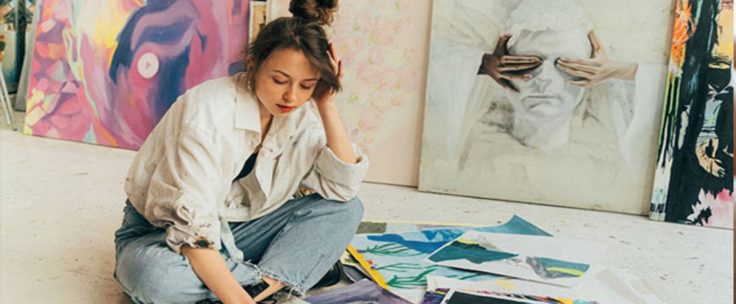
Unleashing Your Creativity with Fine Arts
You don’t need to be a professional artist to reap the benefits of fine arts. Creativity is a muscle that grows with practice, and anyone can start their artistic journey. Here are some practical tips to unleash your creativity through fine arts:
Start Small
If you’re new to fine arts, begin with simple tools—a sketchbook and pencil or a small canvas and acrylic paints. Experiment without pressure, focusing on the process rather than the outcome.
Embrace Imperfection
Perfectionism can stifle creativity. Allow yourself to make mistakes and view them as opportunities to learn. As Pablo Picasso said, “Every act of creation is first an act of destruction.”
Seek Inspiration
Visit galleries, browse Collagetop.online, or explore nature to spark ideas. Keep a journal to jot down thoughts, sketches, or images that inspire you.
Learn from Others
Take online courses, watch tutorials, or join local art groups. Learning new techniques can expand your creative toolkit and boost your confidence.
Create Regularly
Consistency is key to growth. Set aside time each week to create, even if it’s just for 15 minutes. Over time, you’ll notice your skills and imagination flourish.
Share Your Work
Sharing your art can be daunting but rewarding. Platforms like Collagetop.online provide a supportive community where you can showcase your creations and connect with other artists.
Fine Arts in the Digital Age
The digital age has revolutionized fine arts, making them more accessible and diverse than ever. Digital tools like Procreate, Adobe Fresco, and 3D modeling software have expanded the possibilities for creation, allowing artists to experiment with virtual canvases and immersive installations. Online platforms, including Collagetop.online, enable artists to share their work globally, fostering communities that transcend borders.
However, the digital age also raises questions about authenticity and value. Can a digital painting hold the same weight as a physical one? How do we navigate the commercialization of art through NFTs and social media? These debates highlight the evolving nature of fine arts and their ability to adapt to new contexts.
Fine Arts and Mental Health
Beyond their aesthetic value, fine arts have profound mental health benefits. Art therapy, a growing field, uses creative expression to help individuals cope with stress, trauma, and mental health challenges. Painting, drawing, or sculpting can reduce anxiety, improve mood, and foster mindfulness. At Collagetop.online, we’ve heard countless stories of how art has helped individuals find solace and purpose during difficult times.
The Future of Fine Arts
As we look to the future, fine arts will continue to evolve, shaped by technology, globalization, and societal shifts. Emerging trends include:
- Augmented Reality (AR) and Virtual Reality (VR): Artists are creating immersive experiences that blend physical and digital worlds.
- Sustainable Art: With growing environmental awareness, artists are using eco-friendly materials and addressing climate issues in their work.
- Inclusivity: The art world is becoming more diverse, amplifying voices from marginalized communities and challenging traditional gatekeepers.
At Collagetop.online, we’re excited to be part of this dynamic landscape, supporting artists of all backgrounds and skill levels as they shape the future of fine arts.
Conclusion
Fine arts are more than just beautiful objects; they are a testament to the human spirit’s boundless creativity. They invite us to see the world differently, to feel deeply, and to connect with others across time and space. Whether you’re an aspiring artist or an art enthusiast, the world of fine arts offers endless opportunities for growth, inspiration, and joy.
At Collagetop.online, we’re passionate about empowering everyone to unleash their creativity. So grab a brush, pick up a pencil, or explore our platform to discover the transformative power of fine arts. Your creative journey starts here.